Rugged Smartphones Built for Extreme Conditions
Posted On November 5, 2026
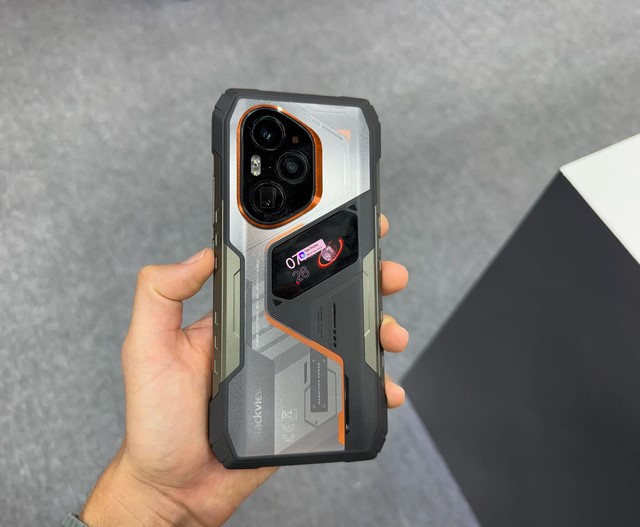
Picture dropping your shiny $1,200 flagship smartphone onto a concrete factory floor, losing your grip in a downpour during a remote rescue operation, or having it slip into a muddy puddle while hiking off-grid. For most consumers, that heart-stopping moment ends in a spiderweb of shattered glass and a hefty repair bill.
Having spent over a decade working alongside hardware engineers and health-tech teams deploying emergency response devices in brutal environments, I’ve seen standard commercial smartphones fail in every imaginable way—from thermal shutdown in extreme heat to complete board shorts from subtle humidity. That is precisely why rugged smartphones exist.
These devices aren’t just bulky phones wrapped in plastic; they are purpose-built armored survival tools engineered to withstand the harshest elements on Earth.
What Makes Rugged Smartphones So Durable?
To understand why rugged smartphones can take a beating that would obliterate regular devices, we need to look beyond the exterior rubberized corners and examine the structural engineering underneath.
The Armored Tank Analogy
Think of a standard smartphone like a sleek, high-end sports car: fast, elegant, and aerodynamic, but one hit from a loose stone on a gravel track can dent the frame or ruin the engine.
A rugged smartphone, on the other hand, is an all-terrain armored vehicle. It sacrifice paper-thin elegance for a reinforced chassis, shock-absorbing bumpers, dual-sealed gaskets, and internal structural cages designed to dissipate kinetic energy before it ever reaches fragile silicon.
1. Advanced Structural Reinforcement
Modern rugged smartphones build their internal architecture around rigid magnesium alloy or titanium internal frames. When impact occurs, shock-absorbing TPU (Thermoplastic Polyurethane) outer corner bumpers cushion the initial blow, while the internal skeleton prevents flexing.
2. Dual-Layer Rubber Gaskets and Sonic Seals
Water resistance in normal phones relies heavily on thin adhesives that degrade over time with heat. Rugged hardware uses mechanical screws, sonic welding, and heavy-duty rubber O-rings around ports and SIM trays to block moisture under pressure.
Technical Ratings Decoded: MIL-STD-810H and IP Ratings
When shopping for rugged smartphones, manufacturers throw around military codes and technical jargon. Here is what those ratings actually mean when translated into real-world survival.
Understanding IP Ratings (Ingress Protection)
You will usually see ratings like IP68 or IP69K:
-
The First Digit (Solid Particle Protection): A rating of “6” means the device is completely dust-tight. Microscopic sand and dust particles cannot penetrate the housing.
-
The Second Digit (Liquid Ingress Protection): An “8” means continuous submersion in water beyond 1 meter. A “9K” rating means it can survive high-pressure, high-temperature washdowns (like hot steam jets).
Demystifying MIL-STD-810H
This is a standard established by the U.S. Department of Defense. To earn this certification, rugged smartphones must survive dozens of brutal environmental tests:
-
Drop Tests: Repeated drops from 1.5 to 2 meters onto steel and concrete surfaces.
-
Thermal Shock: Sudden shifts from ice-cold freezing temperatures (-20°C) to scorching desert heat (60°C).
-
Vibration and Solar Radiation: Hours of continuous structural shaking and UV degradation testing.
Specialty Sensors: Beyond Standard Mobile Hardware
During field deployments in remote healthcare and industrial monitoring, the real magic of modern rugged smartphones lies in their specialized hardware integration. These aren’t just communication tools; they double as diagnostic equipment.
-
FLIR Thermal Imaging Cameras: Allows emergency workers to locate thermal leaks, pinpoint overheating electrical circuits, or detect body heat through smoke.
-
Night Vision Sensors: Infrared-assisted optics that capture clear monochrometer footage in complete darkness without revealing position.
-
Laser Distance Meters: Built-in tools for construction workers and field surveyors to calculate volume and distance instantly.
-
Dedicated Push-to-Talk (PTT) Buttons: Hardware keys designed for instant walkie-talkie communication, even when wearing thick work gloves.
Technical Specification Comparison: Standard vs. Rugged
To give you a clear perspective on how form follows function, here is a breakdown comparing standard flagship devices against purpose-built rugged smartphones:
| Hardware Metric | Standard Flagship Smartphone | Purpose-Built Rugged Smartphone |
| Drop Resistance | ~1 meter (usually requires a case) | 1.5 to 2.0+ meters (bare device onto concrete) |
| Water Protection | IP68 (Standard fresh water) | IP68 / IP69K (High-pressure steam/jets) |
| Military Standard | Rarely tested | Full MIL-STD-810G / MIL-STD-810H certified |
| Battery Capacity | 4,000 mAh – 5,000 mAh | 8,000 mAh – 22,000 mAh (Multi-day life) |
| Glove & Wet Touch | Poor (Touchscreen misses inputs) | Specialized digitizer modes for gloves & rain |
| Thermal Range | 0°C to 35°C operational range | -20°C to 55°C operational range |
Expert Advice: Pro Tips and Hidden Pitfalls
If you are planning to invest in rugged smartphones for outdoor adventure, field logistics, or industrial work, keep these expert considerations in mind:
💡 Pro Tip: Look for Glove-Mode & Wet-Finger Tracking
A rugged phone is useless if you can’t answer a call in pouring rain or while wearing heavy safety gloves. Ensure the display features an ultra-sensitive capacitive layer with dedicated software modes that re-calibrate touch responsiveness for wet or gloved hands.
⚠️ Hidden Warning: Weight and Port Access Trade-offs
Rugged phones are significantly heavier (often 300g to 500g+) and noticeably thicker than standard smartphones. Furthermore, protective rubber port covers can make charging cable access tighter, requiring longer-neck USB-C connectors or reliance on magnetic dock chargers.
Final Thoughts: The Unstoppable Mobile Workhorse
The evolution of rugged smartphones proves that durability no longer requires sacrificing modern performance. Today’s devices combine fast processors, high-resolution screens, and 5G connectivity with physical resilience that legacy hardware could only dream of.
Whether you work in heavy industry, emergency medical response, or simply refuse to let fragile glass dictate your outdoor lifestyle, rugged hardware ensures your lifeline to the world stays intact no matter how extreme things get.
What’s Your Take?
Have you ever destroyed a smartphone due to water, drop impacts, or severe weather? Would you trade a slim design for ultimate durability and multi-day battery life?
Drop your thoughts and questions in the comments below, and let’s start the discussion!
About The Author
