WAN vs MAN: Key Differences Explained
Posted On October 15, 2026
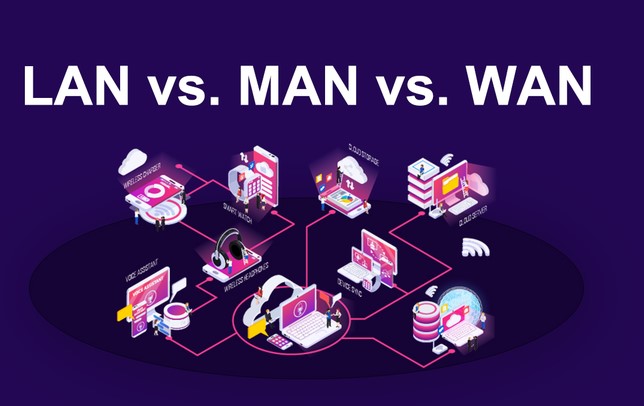
Imagine an emergency room physician reviewing a high-resolution 3D MRI scan on a tablet in a regional hospital branch, while a specialist thirty miles away at a university medical center annotates the image in real time. Now picture that same scan being transferred across oceans to a remote machine-learning cluster to assist in predicting early-stage tumor growth.
To the end user, both data transfers feel almost instantaneous. But under the hood, those two packets traveled through fundamentally different digital arteries. One moved across a specialized, low-latency regional highway designed specifically for high-speed urban transit, while the other navigated an intricate, global web of undersea cables and satellite hops.
Over my ten-plus years as a tech practitioner and network writer, I have spent countless late nights troubleshooting routing bottlenecks inside corporate server rooms. Time and time again, I see IT teams overspend on complex global network infrastructure when a regional solution would have provided ten times the bandwidth at half the cost—or vice versa.
Understanding WAN vs MAN architecture isn’t just an academic exercise for networking exam takers. It is a vital framework for business leaders, system administrators, and tech enthusiasts who want to build fast, secure, and cost-effective digital environments.
Here is a comprehensive deep dive into how Wide Area Networks and Metropolitan Area Networks differ, how they function, and how to choose the right network architecture for your organization.
What Are MANs and WANs? (The Transportation Analogy)
To easily grasp the difference between these two network classifications, think of digital networking through the lens of modern transportation:
-
LAN (Local Area Network): Your home or office driveway. It connects local devices within a single building or room.
-
MAN (Metropolitan Area Network): A city-wide subway or express ring-road system. It links multiple facilities, university campuses, or branch offices across a single municipality or metropolitan region (typically covering a radius of 5 to 50 kilometers).
-
WAN (Wide Area Network): The international highway network and airline system. It connects nodes across states, entire countries, and continents—with the Internet being the ultimate global WAN.
┌───────────────────────────────────────────────────────────┐
│               GEOGRAPHIC NETWORK HIERARCHY                │
├──────────────────────────┬────────────────────────────────┤
│ LAN (Local Area Network) │ Single Building / Room         │
│ MAN (Metro Area Network) │ Entire City / Campus (5-50 km) │
│ WAN (Wide Area Network)  │ Global / Multi-Region Scale    │
└──────────────────────────┴────────────────────────────────┘
Both networks exist to bridge separate LANs together, but they optimize for completely different scales, transmission media, and operational priorities.
Metropolitan Area Networks (MAN): The High-Speed Urban Backbone
A Metropolitan Area Network is engineered to deliver enterprise-grade speed across a specific town or city district.
┌───────────────────────────────────────────────────────────┐
│              METROPOLITAN AREA NETWORK (MAN)              │
├──────────────────────────┬────────────────────────────────┤
│ Target Scope             │ Cities, Townships, Campuses    │
│ Primary Medium           │ Dark Fiber / Metro Ethernet    │
│ Average Latency          │ Very Low (< 5ms - 15ms)        │
│ Speed Capabilities       │ 1 Gbps to 100 Gbps+            │
└──────────────────────────┴────────────────────────────────┘
When local governments set up city-wide Wi-Fi, cable television providers distribute regional feeds, or multi-campus hospital systems share patient databases, they rely on a MAN.
Key Characteristics of MANs
-
High-Bandwidth Dark Fiber: MANs heavily utilize dedicated fiber-optic rings (such as Metro Ethernet or DWDM—Dense Wavelength Division Multiplexing) running beneath city streets.
-
Low Latency: Because physical distances are restricted to a single city, propagation delays are minimal (often under 10 milliseconds).
-
High Fault Tolerance: Modern MANs are often built using dual-ring topologies. If a construction crew accidentally cuts a fiber line on one side of town, traffic automatically reroutes in milliseconds around the opposite side of the ring.
Wide Area Networks (WAN): Global Reach Without Boundaries
A Wide Area Network spans vast geographic distances. Whether it is a multinational bank connecting branch offices from Tokyo to London or a cloud infrastructure provider linking regional server hubs, WANs make global communication possible.
┌───────────────────────────────────────────────────────────┐
│                WIDE AREA NETWORK (WAN)                    │
├──────────────────────────┬────────────────────────────────┤
│ Target Scope             │ Countries, Continents, Global  │
│ Primary Medium           │ Subsea Cables, 5G, Satellite   │
│ Average Latency          │ Moderate to High (30ms - 250ms)│
│ Core Technology          │ SD-WAN, MPLS, IPsec Tunnels    │
└──────────────────────────┴────────────────────────────────┘
Key Characteristics of WANs
-
Diverse Infrastructure: WANs combine a mosaic of transmission media, including undersea fiber cables, long-haul terrestrial backbones, commercial 4G/5G cellular towers, and Low Earth Orbit (LEO) satellite constellations.
-
Software-Defined Routing (SD-WAN): Modern enterprise WANs use intelligent software layers to balance traffic across multiple transport links dynamically, prioritizing critical data (like VoIP or telemedicine) over routine web traffic.
-
Higher Propagation Delay: Because data packets must travel thousands of miles through multiple intermediate routers and switches, WAN links inherently exhibit higher latency than local or metropolitan networks.
WAN vs MAN: Side-by-Side Comparison
To help you quickly evaluate both network models, here is a breakdown of their primary technical parameters:
| Parameter | Metropolitan Area Network (MAN) | Wide Area Network (WAN) |
| Geographic Coverage | Single city, municipality, or large campus (5–50 km) | Countries, continents, or global scale |
| Data Transmission Speed | High speed (typically 1 Gbps to 100 Gbps+) | Variable speed (typically 10 Mbps to 10 Gbps) |
| Propagation Delay (Latency) | Low to Moderate | Moderate to High |
| Noise & Packet Error Rates | Extremely low due to short optical links | Higher due to long distances and varied media |
| Ownership | Consortiums, local ISPs, or single enterprises | Distributed ISPs, telecom carriers, public web |
| Maintenance Complexity | Moderate | High (requires global coordination) |
Expert Advice: Pro-Tips & Hidden Caveats
Drawing from years of auditing network deployments and troubleshooting enterprise connectivity, here are crucial real-world insights:
💡 Pro Tip: Embrace SD-WAN for Cost-Effective Hybrid Redundancy
Historically, enterprises relied entirely on expensive, leased MPLS (Multiprotocol Label Switching) circuits for their WAN needs. Today, deploying an SD-WAN (Software-Defined WAN) overlay allows you to combine a dedicated leased line with cheap, high-speed commercial fiber broadband or 5G. The SD-WAN controller continuously tests circuit health, steering critical application traffic over the fastest link without manual intervention.
⚠️ Hidden Caveat: The “Last-Mile” Bottleneck & Over-Subscription
When purchasing a Metro Ethernet line for a city-wide MAN, pay close attention to whether the contract specifies Committed Information Rate (CIR) or Burstable Rate. Many low-cost service providers sell “shared” MAN links that slow down significantly during peak municipal business hours. Always ensure your Service Level Agreement (SLA) guarantees symmetrical throughput and strict latency limits for mission-critical operations.
Choosing the Right Network Strategy
Navigating the choice between WAN vs MAN architecture comes down to understanding your organization’s physical footprint and bandwidth requirements.
If your objective is to connect multiple buildings, research labs, or municipal sites across a single metropolitan area with low latency and gigabit throughput, investing in a dedicated MAN infrastructure delivers unmatched performance. On the other hand, if your workforce is geographically distributed across regions, countries, or remote locations, a robust, encrypted WAN strategy is essential to keeping your operations connected.
Join the Conversation
Is your organization currently managing a multi-site network, or are you preparing for an upcoming infrastructure upgrade? What challenges have you faced with latency or bandwidth across your sites? Drop your thoughts, experiences, or questions in the comments below! Let’s discuss the best networking strategies for your setup.
About The Author
