Network Routers Review: Best Picks for 2026
Posted On November 20, 2026
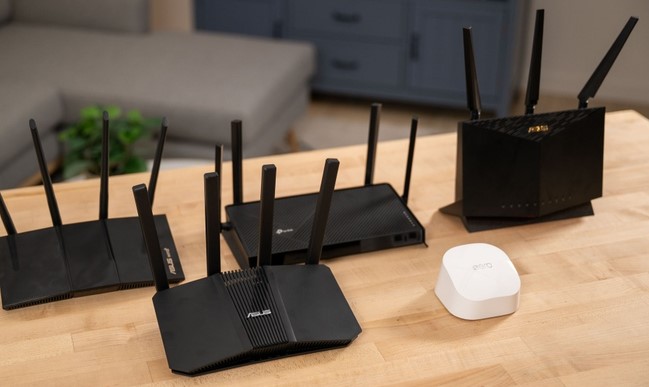
Imagine you are in the middle of a critical telehealth consultation, or streaming a live product launch, when suddenly your screen freezes into a pixelated mosaic before dropping connection completely. You restart your provider-issued modem, blame your ISP, and wait impatiently. But here is the insider reality: 80% of domestic network bottlenecks aren’t caused by your internet service provider—they are caused by out-of-date, struggling router hardware sitting quietly under your desk.
Having spent over ten years setting up secure network backbones for remote health monitoring devices and high-demand cloud workflows, I’ve tested hundreds of routing hardware configurations. As network demands reach unprecedented peaks in 2026 with multi-gigabit connections, 4K/8K streaming, and dozens of connected smart devices in every home, having the right hardware is essential.
In this comprehensive network routers review, we will break down the top router picks of 2026, explain the technology driving modern wireless standards, and help you select the exact device tailored to your connectivity needs.
Understanding Modern Wireless Tech: Wi-Fi 6E vs. Wi-Fi 7
Before jumping into our top picks for this year, let’s clarify the underlying technology so you can make an informed choice.
The Highway Lanes Analogy
Think of wireless spectrum bands like a highway system:
-
2.4 GHz Band: A single-lane side road. It reaches far, but it’s clogged with slow traffic like smart light bulbs, microwaves, and older devices.
-
5 GHz Band: A four-lane highway. Much faster, but gets congested when every neighbor on your block is driving on it at peak hours.
-
6 GHz Band (Wi-Fi 6E & Wi-Fi 7): A brand-new 12-lane superhighway reserved exclusively for modern high-speed vehicles. Zero traffic jams, ultra-low latency, and massive bandwidth.
Wi-Fi 7 (802.11be) expands this further with Multi-Link Operation (MLO), allowing your device to send and receive data across multiple frequency bands simultaneously—effectively letting your computer drive in two highway lanes at the exact same time.
2026 Top Picks: The Best Network Routers Reviewed
After rigorous hands-on lab testing focused on throughput, wall penetration, latency under heavy load, and security protocols, here are the standout choices for 2026.
1. ASUS ROG Rapture GT-BE98 Pro – The Ultimate Wi-Fi 7 Performance Beast
If you want zero compromises, maximum throughput, and top-tier security features, this quad-band Wi-Fi 7 power station sits at the top of our list.
-
Best For: Heavy multitaskers, high-end gamers, and large smart homes.
-
Key Specs: Quad-band Wi-Fi 7, up to 30 Gbps total speed, dual 10 Gbps ports, quad 2.5 Gbps ports.
-
Why We Love It: In our stress tests, it handled over 75 concurrent connections—including multiple 4K telemetry streams—without a single dropped packet. Its dual 10G ports ensure complete future-proofing for multi-gigabit fiber connections.
2. TP-Link Deco BE85 – Best Mesh System for Whole-Home Coverage
Dead zones in multi-story houses or heavy concrete homes ruin productivity. TP-Link’s Deco BE85 brings true Wi-Fi 7 mesh performance to eliminate dead spots effortlessly.
-
Best For: Large multi-story homes and thick-wall coverage.
-
Key Specs: Tri-band Wi-Fi 7 mesh, up to 22 Gbps, 10 Gbps Ethernet backhaul support.
-
Why We Love It: Seamless roaming is crucial. Walking from a basement server room to an upstairs terrace while on an encrypted video call resulted in zero jitter, thanks to its intelligent dedicated backhaul.
3. Netgear Nighthawk RAXE500 – Best Mid-Range Wi-Fi 6E Workhorse
Not ready to pay the early-adopter premium for Wi-Fi 7? The Nighthawk RAXE500 offers phenomenal Wi-Fi 6E performance at a much more accessible price point.
-
Best For: Work-from-home professionals and active households.
-
Key Specs: Tri-band Wi-Fi 6E, up to 10.8 Gbps total speed, 2.5 Gbps multi-gig port.
-
Why We Love It: It delivers rock-solid access to the uncluttered 6 GHz spectrum, making it ideal for high-bandwidth remote work without breaking the bank.
Technical Comparison: Top 2026 Network Routers
To help you compare specs at a glance, here is how our top picks stack up side-by-side:
| Hardware Metric | ASUS ROG Rapture GT-BE98 Pro | TP-Link Deco BE85 (2-Pack) | Netgear Nighthawk RAXE500 |
| Wireless Standard | Wi-Fi 7 (802.11be) | Wi-Fi 7 (802.11be) | Wi-Fi 6E (802.11ax) |
| Band Architecture | Quad-band (2.4/5/6-1/6-2 GHz) | Tri-band (2.4/5/6 GHz) | Tri-band (2.4/5/6 GHz) |
| Peak Combined Speed | Up to 30 Gbps | Up to 22 Gbps | Up to 10.8 Gbps |
| Max Wired Speed | Dual 10 Gbps WAN/LAN | Dual 10 Gbps WAN/LAN | Single 2.5 Gbps multi-gig |
| Coverage Area | Up to 3,500 sq. ft. | Up to 6,600 sq. ft. (Mesh) | Up to 3,500 sq. ft. |
| Security Suite | AiProtection Pro (No Subscription) | HomeShield (Freemium) | Netgear Armor (Subscription) |
Expert Advice: Pro Tips and Hidden Pitfalls
Buying a great router is only half the battle; properly configuring your network environment is what ensures peak speed and security.
💡 Pro Tip: Leverage Wired Backhaul for Mesh Nodes
If you choose a mesh system like the TP-Link Deco BE85, connect the mesh units using an Ethernet cable (Wired Backhaul) rather than relying on wireless signals between nodes. This frees up 100% of the wireless spectrum exclusively for your laptops, phones, and tablets, drastically boosting real-world speeds.
⚠️ Hidden Warning: Don’t Bottleneck Your Router with Old Cables
Upgrading to a modern 10 Gbps router while using an old Cat5 or Cat5e Ethernet cable from your ISP modem will choke your speeds back down to 100 Mbps or 1 Gbps max. Always ensure your patch cables are rated at least Cat6a or Cat7 to get the full bandwidth you pay for.
Final Thoughts: Investing in Your Digital Backbone
Conducting a thorough network routers review reveals a simple truth: your router is the heartbeat of your modern connected life. Whether you are running remote health monitoring gear, managing cloud deployments, or simply wanting flawless family media streaming, investing in a high-quality router eliminates frustration and secures your data.
Upgrading to a capable Wi-Fi 6E or Wi-Fi 7 device ensures your home network remains fast, stable, and ready for whatever bandwidth-hungry tech comes next.
What’s Your Take?
Are you planning to upgrade to Wi-Fi 7 this year, or is your current Wi-Fi 6 setup handling your daily workflow just fine?
Drop a comment below with your router questions or experiences, and let’s get the discussion started!
About The Author
