AI for Mental Health: New Frontiers in Digital Therapy
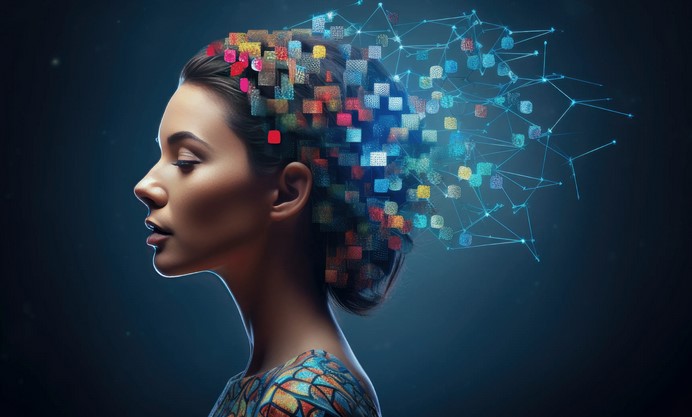
The integration of artificial intelligence (AI) into healthcare has already revolutionized many areas, from diagnostics to treatment planning. However, one of the most exciting and rapidly evolving applications of AI is in the realm of mental health. AI for mental health offers innovative solutions that can help address a growing global mental health crisis. With the increasing demand for mental health support and the shortage of mental health professionals, AI presents a unique opportunity to enhance digital therapy tools, improve accessibility, and personalize care. In this article, we will explore how AI is transforming the landscape of mental health treatment, the benefits it offers, and the challenges that come with it.
The Role of AI in Mental Health Care
AI technologies, especially machine learning and natural language processing (NLP), have made significant strides in recent years. In mental health, AI is being used to develop tools that can provide support for individuals suffering from anxiety, depression, and other mental health conditions. These tools range from chatbots and virtual therapists to sophisticated AI-driven diagnostics and predictive analytics systems.
1. AI-Driven Chatbots and Virtual Therapists
One of the most prominent applications of AI in mental health is the development of chatbots and virtual therapists. These AI systems use natural language processing (NLP) to understand and engage with users in conversation, providing support in real-time.
- Woebot is a widely recognized example of an AI-powered chatbot that helps users manage their mental health by using Cognitive Behavioral Therapy (CBT) principles. Through daily conversations, Woebot can track emotional patterns, suggest coping strategies, and provide support for users struggling with anxiety and depression.
- Wysa is another AI-driven app that offers emotional support through conversations, guided meditations, and CBT exercises. It can identify emotional patterns and offer tailored interventions to help users manage their mental well-being.
These tools are not a replacement for human therapists, but they can be a valuable supplement. They offer immediate support and can help people who may not have access to traditional therapy due to geographical or financial limitations.
2. AI for Early Diagnosis and Monitoring
AI is also being used to assist in the early detection of mental health conditions. Early intervention is crucial for successful treatment, and AI tools are designed to analyze behavioral patterns, speech, and even social media activity to detect signs of mental health disorders.
- Predictive Analytics: By analyzing large datasets, AI can identify subtle patterns that might indicate the early onset of mental health issues like depression, PTSD, or bipolar disorder. For instance, AI systems can analyze language use in written text or speech, detecting signs of sadness, agitation, or other mood changes.
- Wearable Technology: Wearables, like smartwatches, can collect data on sleep patterns, physical activity, heart rate, and other biomarkers that may indicate stress or mental health decline. AI can analyze this data to detect early warning signs of mental health issues, enabling timely intervention.
These AI-driven diagnostic and monitoring systems can provide more personalized care, offering insights that may be difficult for human providers to capture in a traditional clinical setting.
Benefits of AI in Mental Health Treatment
AI’s integration into mental health care has the potential to address several issues that have plagued traditional therapy, such as accessibility, affordability, and the stigma surrounding mental health.
1. Increased Accessibility
One of the most significant advantages of AI for mental health is its ability to make mental health care more accessible. Many individuals face barriers to accessing traditional therapy, such as long waiting times, high costs, or geographical limitations. AI-driven platforms and virtual therapy options can offer immediate, around-the-clock support for individuals, regardless of their location.
- For people living in rural areas or places with a shortage of mental health professionals, AI-based solutions provide a lifeline for receiving quality care.
- Additionally, AI can provide language support in multiple languages, making it easier for non-English speakers to access mental health resources.
2. Affordability and Convenience
Traditional therapy can be expensive and may not be covered by insurance, especially for ongoing sessions. AI-powered tools, on the other hand, can offer affordable, low-cost alternatives to therapy. Many apps and chatbots are free or have a low-cost subscription model, making them more accessible to individuals with limited financial resources.
Furthermore, AI-driven platforms provide users with the flexibility to access therapy at their own convenience. People can use these tools at any time, whether it’s late at night or during lunch breaks, offering a level of flexibility that traditional therapy cannot match.
3. Reducing Stigma Around Mental Health
For many people, the stigma surrounding mental health issues can prevent them from seeking help. AI-powered mental health tools provide a more private and anonymous way to engage with therapy, reducing the embarrassment or fear of judgment that some individuals may feel when seeking help from a human therapist.
This anonymity can encourage individuals to reach out for support when they might otherwise hesitate, particularly for those who feel uncomfortable discussing their mental health with others.
Challenges and Ethical Concerns
While the potential benefits of AI for mental health are considerable, there are also several challenges and ethical concerns that need to be addressed.
1. Data Privacy and Security
Mental health data is highly sensitive, and AI-driven mental health platforms collect personal and private information that could be vulnerable to data breaches or misuse. Ensuring that AI systems adhere to stringent privacy laws and maintain robust security measures is critical to protecting user data.
- HIPAA Compliance: In countries like the United States, mental health AI tools must comply with the Health Insurance Portability and Accountability Act (HIPAA) to ensure the confidentiality and security of patient data.
2. Quality and Accuracy of AI Algorithms
The effectiveness of AI in mental health care depends on the accuracy and quality of the underlying algorithms. If an AI system is not properly trained or calibrated, it may misinterpret user data or offer inappropriate advice. This could lead to harm, particularly for individuals experiencing serious mental health conditions.
Ensuring that AI systems are rigorously tested and validated by mental health professionals is essential to ensuring their effectiveness and safety. Furthermore, AI tools should never replace human therapists but should complement traditional mental health services.
3. Lack of Emotional Intelligence
AI may be able to analyze data and provide helpful feedback, but it lacks true emotional intelligence and empathy, which are crucial aspects of effective therapy. AI systems can simulate empathy through programmed responses, but they cannot truly understand or experience human emotions in the way that a human therapist can.
This limitation underscores the importance of using AI as a supplement to, rather than a replacement for, human intervention in mental health care.
AI for mental health is opening up new frontiers in digital therapy, offering innovative solutions to address the growing demand for mental health services. From AI-driven chatbots and virtual therapists to predictive analytics and early diagnosis, AI has the potential to make mental health care more accessible, affordable, and personalized. However, as with any technology, there are challenges and ethical concerns to address, including data privacy, the accuracy of algorithms, and the limitations of AI’s emotional intelligence. While AI can never replace human therapists, it can play a significant role in augmenting mental health care and providing valuable support for those in need. As technology continues to evolve, we can expect AI to play an increasingly important role in transforming mental health care for the better.
About The Author
