VR Movies: Immersive Storytelling of the Future
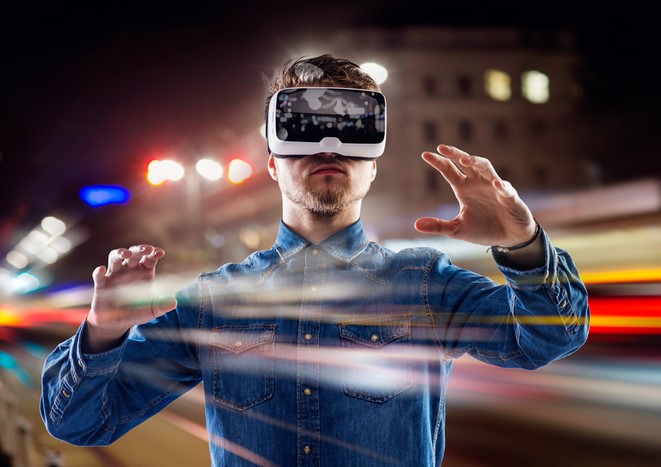
The entertainment industry is undergoing a profound transformation as vr movies redefine how audiences experience stories. Unlike traditional cinema, which places viewers in a passive role, virtual reality filmmaking immerses them directly into the narrative environment. By combining 360-degree visuals, spatial audio, and interactive elements, VR technology creates an experience that feels immediate and personal. As technological capabilities advance and consumer adoption increases, immersive storytelling is evolving from experimental novelty into a viable and influential medium within the broader film industry.
The Evolution of Cinematic Immersion
Cinema has continuously evolved in pursuit of deeper audience engagement. From the introduction of synchronized sound to color film, widescreen formats, and 3D technology, each innovation has aimed to enhance realism and emotional connection. Virtual reality represents the next significant step in this progression.
Traditional filmmaking relies on framing, camera angles, and editing to guide viewers’ attention. In VR environments, however, the viewer is placed inside the scene. The director no longer controls the frame in the conventional sense; instead, storytelling becomes spatial. Audiences can look around, explore environments, and sometimes influence the unfolding narrative. This shift requires filmmakers to rethink core cinematic techniques.
The rise of advanced head-mounted displays, motion tracking, and real-time rendering engines has made immersive experiences more accessible. High-resolution displays reduce motion sickness and improve visual fidelity, while spatial audio technology replicates realistic soundscapes that respond to head movement. Together, these elements create a sense of presence—an illusion of “being there” that distinguishes VR from other media formats.
Additionally, improvements in computer graphics and volumetric capture allow creators to build lifelike characters and detailed environments. Actors can be recorded in three dimensions, enabling performances that feel tangible and immediate. As a result, VR storytelling moves beyond observation into participation, fundamentally altering the audience’s role.
Storytelling Redefined: From Viewers to Participants
Immersive cinema challenges conventional narrative structure. Instead of a linear storyline delivered through sequential scenes, VR experiences often unfold within dynamic, explorable spaces.
The Role of Interactivity in Narrative Design
Interactivity is one of the defining features of immersive film. Viewers may choose where to focus their attention, follow different characters, or trigger specific events. While not all VR productions incorporate branching storylines, many integrate subtle forms of agency, such as environmental exploration or perspective shifts.
This interactivity introduces both creative opportunities and complexities. Writers and directors must anticipate multiple viewer behaviors and design cohesive experiences regardless of the path taken. Spatial storytelling techniques—such as guiding attention through lighting, sound cues, or character movement—become essential. Rather than cutting between scenes, creators rely on environmental transitions and natural movement to maintain narrative flow.
Another important dimension is emotional proximity. In VR, characters can stand directly beside the viewer, speak at close range, or react to the viewer’s presence. This intimacy intensifies emotional impact, particularly in genres such as drama, documentary, and horror. Empathy can be amplified when audiences feel physically embedded within a character’s world.
Educational and documentary applications further demonstrate the power of immersive storytelling. Historical reconstructions, scientific simulations, and social impact experiences allow participants to witness events from within, fostering deeper understanding. For example, environmental documentaries presented in VR can place viewers inside fragile ecosystems, making abstract issues more tangible and urgent.
Despite these advantages, VR filmmaking also presents challenges. Production costs can be high due to specialized equipment and post-production workflows. Motion design must be carefully managed to prevent user discomfort. Moreover, distribution platforms remain fragmented, with experiences delivered through standalone headsets, tethered systems, or mobile devices. These factors require strategic planning and technical expertise.
A New Idea: Adaptive Narrative Ecosystems for Immersive Cinema
While current immersive films primarily focus on environmental presence and limited interactivity, the future may lie in adaptive narrative ecosystems. This innovative concept envisions VR experiences powered by artificial intelligence that dynamically respond to viewer behavior, preferences, and emotional cues.
In such a system, biometric sensors integrated into headsets could monitor heart rate, gaze patterns, and movement. AI algorithms would analyze these inputs in real time, adjusting narrative pacing, character interactions, or environmental intensity accordingly. For example, if a viewer appears disengaged, the system could introduce a compelling event or shift focus to a different storyline thread. Conversely, if a scene provokes strong emotional responses, the narrative might expand on that moment, deepening immersion.
Adaptive ecosystems would enable truly personalized storytelling. Rather than producing a single fixed version of a film, creators could design narrative frameworks with multiple layers and possibilities. Each viewer’s journey would be unique, shaped by individual reactions and choices.
This approach also opens new economic and creative models. Subscription-based immersive platforms could offer evolving stories that update over time, similar to episodic series but within persistent virtual worlds. Viewers might return to the same narrative universe and discover new developments influenced by their previous interactions.
Collaboration between filmmakers, game designers, and AI specialists would be essential to realize this vision. Narrative architects would design flexible story structures, while technologists would develop algorithms capable of maintaining coherence and emotional resonance. Ethical considerations, including data privacy and informed consent, must also be addressed to ensure responsible innovation.
From a business perspective, adaptive VR cinema could expand audience engagement and retention. Personalized experiences increase perceived value and encourage repeat participation. Additionally, immersive advertising or branded storytelling could be integrated seamlessly within virtual environments, provided transparency and user comfort remain priorities.
The educational sector could benefit as well. Adaptive VR storytelling could tailor historical reenactments or scientific simulations to individual learning styles, enhancing comprehension and retention. Healthcare applications might use immersive narratives to support therapy, stress reduction, or exposure treatments in controlled environments.
Ultimately, immersive cinema represents more than a technological novelty; it signals a shift in how stories are conceived and experienced. As hardware becomes more affordable and content creation tools mature, broader adoption is likely. Filmmakers who embrace spatial storytelling principles and experiment with adaptive frameworks will shape the next generation of narrative art.
In conclusion, the evolution of vr movies marks a transformative moment in entertainment and communication. By merging cinematic artistry with interactive technology, VR storytelling expands the boundaries of imagination and engagement. As adaptive narrative ecosystems emerge and immersive tools continue to advance, vr movies will not only redefine how stories are told but also how audiences connect with them—ushering in a new era of experiential media.
About The Author
