Mobile Phone Insurance: Is It Worth the Investment?
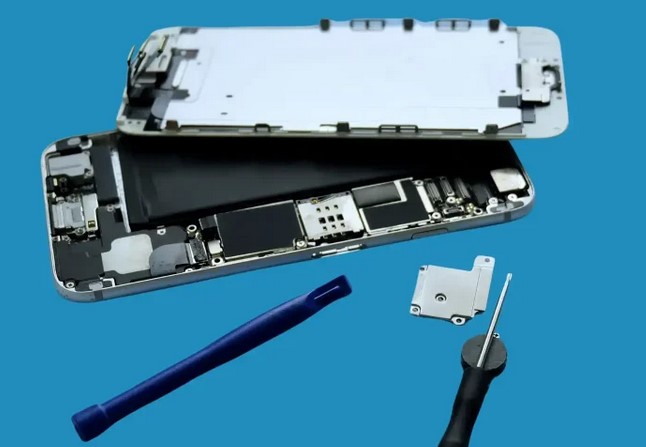
In today’s hyper-connected world, smartphones are more than communication devices—they are personal assistants, digital wallets, entertainment hubs, and productivity tools. As device prices continue to rise, consumers increasingly consider mobile phone insurance as a safeguard against unexpected repair or replacement costs. From cracked screens and water damage to theft and accidental loss, modern smartphones face numerous risks. The decision to invest in protection coverage requires a clear understanding of benefits, limitations, and overall value. Evaluating whether insurance is worthwhile depends on usage habits, financial flexibility, and the specific policy terms offered.
Understanding the Coverage and Costs
Mobile phone insurance policies typically cover accidental damage, mechanical breakdown, theft, and sometimes loss. However, coverage details vary significantly between providers. Some policies are offered directly by mobile carriers at the time of purchase, while others come from third-party insurers or are bundled with credit cards and extended warranty plans.
The cost of coverage often depends on the device model and its retail price. High-end smartphones command higher monthly premiums because repair and replacement expenses are substantial. Over the lifespan of a two-year contract, insurance premiums can accumulate to a significant portion of the device’s value.
Consumers should carefully review deductibles, claim limits, and exclusions. Many policies require a deductible payment for each claim, which can range from modest to considerable amounts. Additionally, coverage may not include cosmetic damage or pre-existing issues. Some policies limit the number of claims per year, reducing their value for users prone to frequent accidents.
It is also important to consider depreciation. Smartphones lose value quickly as newer models enter the market. In some cases, an insurance payout may reflect the depreciated value of the device rather than the original purchase price. Replacement devices may be refurbished rather than brand-new, depending on policy terms.
Despite these limitations, insurance can provide peace of mind. For individuals who rely heavily on their devices for work, travel, or daily transactions, the ability to replace a damaged or stolen phone quickly can prevent productivity disruptions. The convenience factor alone may justify the cost for certain users.
Evaluating Financial and Practical Value
Determining whether insurance is a wise investment requires comparing potential repair costs with cumulative premium payments. For example, replacing a damaged screen on a flagship device can be expensive. However, if the total premium over two years nearly equals the cost of a single repair, self-insuring—by setting aside savings—may be more economical.
Risk Assessment and User Behavior
Personal usage patterns significantly influence the value of insurance. Individuals who frequently drop their phones, travel extensively, or use their devices in high-risk environments may benefit more from coverage. Conversely, users who protect their devices with sturdy cases and screen protectors, and who handle them carefully, may experience fewer incidents.
Geographic location also plays a role. In areas with higher theft rates, insurance that covers loss and theft could be more valuable. In contrast, in lower-risk regions, accidental damage may be the primary concern.
Another consideration is existing protection. Many credit card providers offer purchase protection or extended warranties if the device was bought using their card. Manufacturer warranties typically cover defects for a limited period, though they do not include accidental damage. Understanding overlapping coverage can prevent paying for redundant services.
Opportunity cost is another factor. The funds spent on premiums could instead be invested or saved for future upgrades. Over time, disciplined saving might provide greater flexibility than committing to recurring insurance payments.
However, psychological comfort should not be underestimated. For some consumers, knowing they are protected against unexpected expenses reduces financial stress. This intangible benefit may outweigh strict cost comparisons.
A New Idea: Usage-Based and Adaptive Insurance Models
While traditional insurance models rely on fixed monthly premiums and standardized coverage tiers, the future of mobile device protection may lie in adaptive, usage-based insurance. This innovative approach aligns premiums with real-time risk assessment, leveraging smartphone sensors and behavioral data.
In a usage-based model, insurance providers could analyze anonymized data related to device handling patterns. For instance, phones frequently exposed to high-risk conditions—such as extreme motion, frequent drops detected by accelerometers, or use in outdoor environments—would carry higher risk profiles. Conversely, devices consistently used in controlled settings would qualify for lower premiums.
Such a system could reward responsible behavior. Users who adopt protective cases, activate theft-tracking features, and avoid high-risk activities might receive discounts. Real-time notifications could even warn users about risky behaviors, promoting safer device usage.
Another innovative concept is modular insurance coverage. Instead of bundling theft, accidental damage, and mechanical breakdown into one package, consumers could select specific protections. For example, a user might choose accidental damage coverage only, while another might prioritize theft protection during international travel periods. Temporary coverage boosts could be activated for specific trips or events.
Blockchain technology could also enhance transparency in claims processing. Smart contracts might automate claim verification when device diagnostics confirm accidental damage. This could reduce fraud and expedite reimbursement.
Furthermore, insurers could integrate trade-in and upgrade programs into their policies. Rather than simply replacing damaged devices, insurance plans might offer credit toward newer models after a specified period. This approach transforms insurance from a reactive expense into a strategic upgrade pathway.
From an industry perspective, adaptive models encourage fair pricing and greater consumer engagement. By aligning premiums with actual risk, insurers can reduce blanket pricing structures that overcharge low-risk users. Meanwhile, consumers gain more control and customization.
However, implementing such models requires careful attention to data privacy. Clear consent, secure data handling, and transparent communication about data usage are essential to maintain trust. Regulatory compliance must also be ensured, particularly in jurisdictions with strict consumer data protection laws.
Ultimately, the question of whether mobile phone insurance is worth the investment depends on individual circumstances. For high-value devices and high-risk lifestyles, coverage can provide financial stability and convenience. For cautious users with emergency savings, self-insurance may be more cost-effective. As the insurance industry evolves toward personalized and adaptive solutions, consumers will gain more flexible options tailored to their needs.
In conclusion, mobile phone insurance remains a relevant consideration in an era where smartphones are indispensable assets. By carefully analyzing costs, coverage terms, and personal risk factors, consumers can make informed decisions. As innovative models such as usage-based coverage emerge, the future of mobile phone insurance may shift from standardized protection to intelligent, personalized investment strategies that align with real-world behavior and evolving technology.
About The Author
