Security Information and Event Management Explained
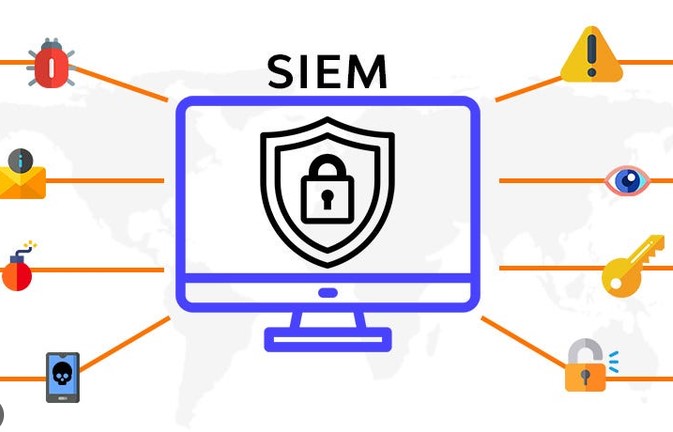
Imagine a bank where every security device works in absolute isolation. The front door guard notices a suspicious person loitering outside, the security camera in the back hallway catches a door handle rattling, and the vault sensor logs a series of failed keycard attempts. Individually, each event seems like a minor, disconnected glitch. But if you connect the dots in real-time, you quickly realize a coordinated heist is unfolding right before your eyes. In the digital world, this lack of communication is exactly how catastrophic data breaches happen every single day.
During my ten years deploying critical infrastructure and safeguarding patient records within the HealthTech sector, I have stood in the middle of a chaotic digital firefight. I once watched an IT team frantically chase down an isolated server issue, completely blind to the fact that it was actually a smokescreen for a massive ransomware attack happening on the opposite side of the network. That night taught me an unforgettable lesson: in cybersecurity, visibility is your only real shield. That is exactly where security information and event management (SIEM) comes into play.
If you have ever felt overwhelmed by the mountain of logs, alerts, and data streams generated by your IT environment, you are not alone. Let’s pull back the curtain and demystify how this powerful security architecture works.
What is SIEM and How Does It Actually Work?
To understand security information and event management, think of it as the ultimate digital air traffic control tower for your entire enterprise. Every single device on your network—your firewall, database, employee laptops, and cloud buckets—is constantly generating a digital diary entry known as a log file.
A SIEM system acts as a massive centralized brain. It ingests these millions of chaotic, fragmented diary entries, normalizes the data into a readable format, and analyzes it using complex correlation rules to find hidden patterns of malicious behavior.
The Dynamic Duo: SIM vs. SEM
The acronym SIEM (pronounced “sim”) is actually a marriage of two distinct core disciplines:
-
Security Information Management (SIM): This is the long-term archivist. It collects, stores, and organizes historical log data over months or years, ensuring your organization complies with regulatory data standards like HIPAA or GDPR.
-
Security Event Management (SEM): This is the high-speed tactical responder. It analyzes traffic, monitors user behaviors, and triggers immediate alerts the exact second it spots an active threat.
The Technical Anatomy: Inside the SIEM Pipeline
A modern SIEM solution doesn’t just display a wall of text; it passes your organization’s data through a rigorous, highly optimized processing pipeline before it reaches the analyst’s dashboard.
Data Ingestion and Aggregation
The process begins with widespread data collection. Specialized software modules called log collectors pull information from across your infrastructure. This includes endpoint detection logs, network flow data, and authentication events from your active directory.
Parsing and Normalization
Every tech vendor formats logs differently. A Windows server logs a failed password attempt completely differently than a Linux database does. The SIEM acts as a universal translator, breaking down these varying strings into standardized fields (like Source IP, Destination Port, and Timestamp) so they can be compared side-by-side.
Real-Time Correlation and Analytics
This is where the magic happens. In 2026, modern platforms utilize User and Entity Behavior Analytics (UEBA) driven by machine learning algorithms. Instead of just looking for static signatures, the system learns the baseline behavior of your network. If an accountant who normally works from 9-to-5 suddenly logs in at 3:00 AM from an unfamiliar IP address and begins downloading terabytes of encrypted data, the correlation engine instantly rings the alarm bell.
Choosing the Right Fit: SIEM Deployment Models
Navigating these security ecosystems depends heavily on your team’s available budget, engineering bandwidth, and compliance constraints.
| Deployment Model | Core Architecture | Best For | Operational Overhead |
| Cloud-Native / SaaS SIEM | Hosted entirely by a cloud provider (e.g., Microsoft Sentinel) | Fast-growing startups and hybrid offices | Low (Infrastructure managed for you) |
| On-Premises SIEM | Deployed on physical hardware inside your private data center | Highly regulated industries (HealthTech, Banking) | High (Requires dedicated hardware maintenance) |
| Managed SIEM (MSSP) | Outsourced to a third-party Security Operations Center (SOC) | Mid-sized businesses lacking in-house security experts | Low to Moderate (Shared responsibility) |
Step-by-Step Blueprint for a Successful SIEM Implementation
Implementing a security information and event management ecosystem can feel like trying to drink water out of a high-pressure firehose. Follow this phased strategic approach to avoid burning out your team.
Step 1: Define Your High-Value Targets
Do not try to ingest every single log file from every single device on day one. Start by targeting your critical data assets—your customer databases, financial transaction ledgers, and identity access management portals.
Step 2: Establish Clean Log Baselines
Before you turn on automated alert triggers, spend a week auditing your standard network traffic. This allows you to tune out noisy, harmless background events and prevents your dashboard from becoming flooded with distracting false positives.
Step 3: Integrate Automated Playbooks
Modern SIEMs connect directly to Security Orchestration, Automation, and Response (SOAR) platforms. Configure basic playbooks to automate simple tasks. For example, if the system confirms an active brute-force login attack on a user account, it can automatically isolate that specific workstation from the network while your team investigates.
The Pitfalls that Sink Implementations
Over the last decade, I have seen many companies throw hundreds of thousands of dollars at premium SIEM software, only to abandon it months later because of two critical operational mistakes.
The Log Dumping Ground Trap
Many beginners mistake a SIEM for a generic storage dump. If you blindly route every single debugging log from your internal software tools into your security system, your storage costs will skyrocket, and your analysts will suffer severe alert fatigue. Be selective; only ingest logs that actively contribute to threat visibility or compliance.
Set-It-and-Forget-It Syndrome
A SIEM is not a plug-and-play appliance. Attackers constantly change their methodologies, and your internal software updates will naturally alter how logs look over time.
Pro Tip: The Continuous Rule Audit
Assign an administrator to review your active correlation rules at least once a quarter. If an alert has triggered 500 times this month and resulted in zero actual security incidents, that rule needs to be refined or disabled entirely. Keep your dashboard lean and actionable.
Conclusion: Visibility is the Ultimate Defense
Ultimately, mastering security information and event management is about moving away from reactive firefighting and embracing proactive operational clarity. By breaking down the silos between your isolated security tools and centralizing your digital trail, you effectively take the shadows away from malicious actors. A secure network isn’t one that never faces an attack; it’s one that sees the threat coming from a mile away and reacts instantly.
Are you looking to implement your very first open-source SIEM tool in a local lab environment, or are you preparing to transition your enterprise over to a modern cloud-native architecture? What specific data streams are you most concerned about securing today? Drop your thoughts or questions in the comments below—let’s talk shop and lock down your perimeter together!
About The Author
